Before the railroad came thru town, Hinsdale was mostly a self sufficient farm community without the influence of the outside world. The Housatonic River offered water powers
to operate sawmills, turn tools to make household furniture, grist mills that processed grains for refining the crops grown by the families wanting the new methods made available by the power of water.
In April of 1839, The Western Railroad Company was buying Hinsdale properties for the purpose of connecting Boston to Albany with rails instead of the proposed canal system being discussed at that time.
Chester MA's very own David Pierce writes:
The Western Railroad of Massachusetts radically changed the world when opened in 1841. It was the world's first adhesion gradient rail line to cross a mountain range. It was the highest (1,459 ft. ASL) and longest (150 mi.) railway ever built; almost doubling the length of the previous title holder. It included the longest bridge in the world over the Connecticut River (1,264 ft.) It moved railroads from novelty to the forefront of modern transportation. Venture capital for canal projects dried up quickly after its opening. The Western was the first to show what railroads must become in America; speculative, long distance, crossing state lines and surmounting natural obstacles. This single project irrefutably proved the efficacy of the fledgling science. The genius behind the line was Maj. George Washington Whistler, father of famed painter James Abbott McNeill Whistler. It was the first major infrastructure project to employ large numbers (up to 3000) of immigrant laborers, setting the model for the building of America. Mostly Irish, pre-potato famine, these people fled to escape religious persecution. The Irish Catholic population of Boston had tripled from 1830 to 1840.
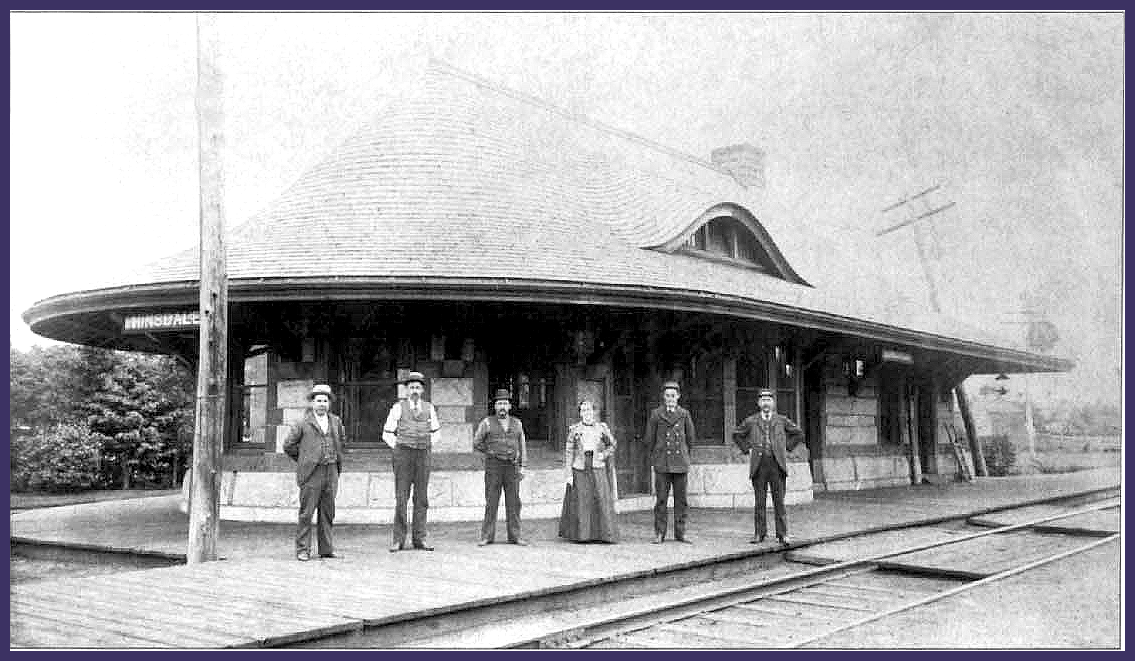
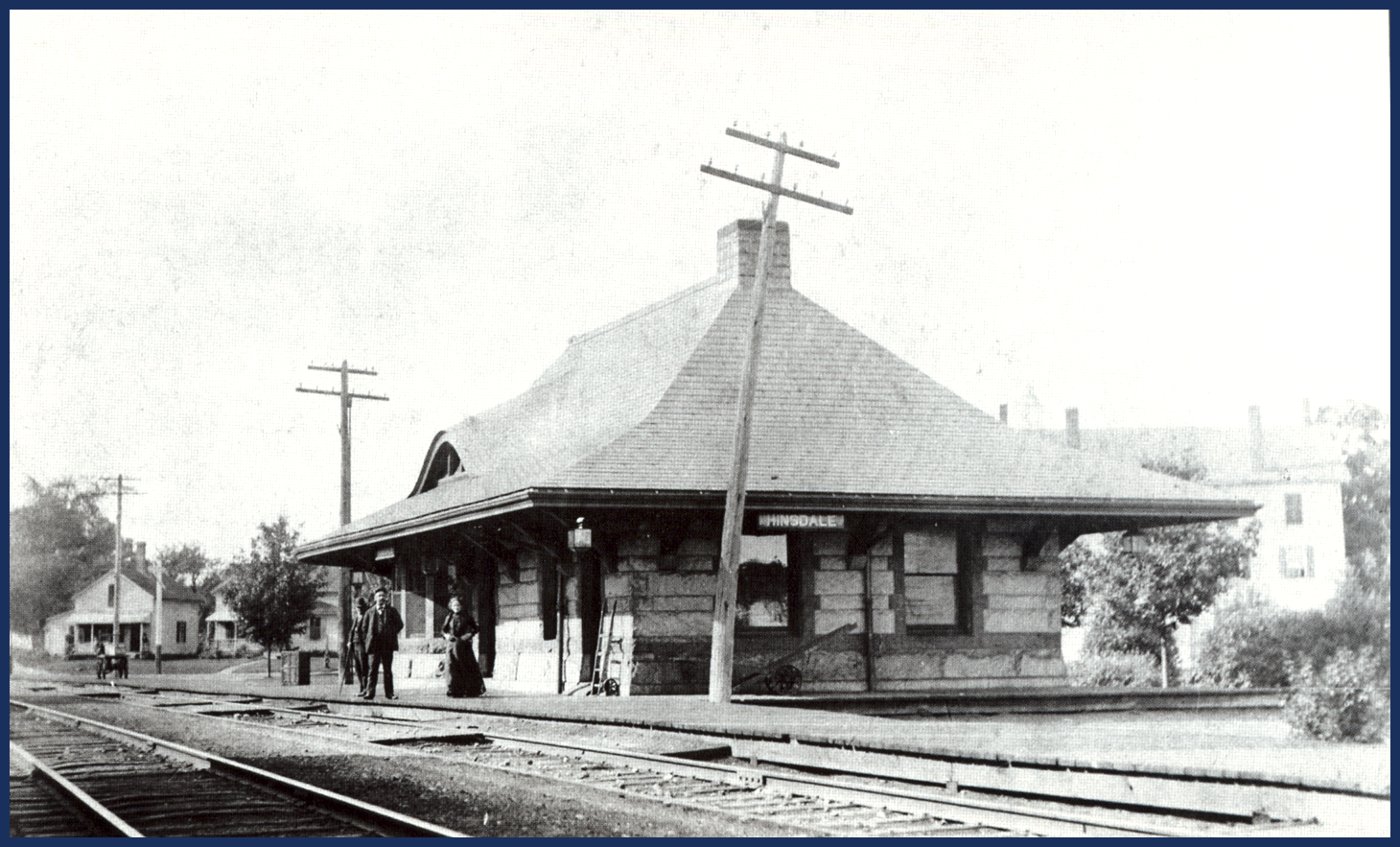
Prior to the rail service, larger mill operations were on the river supplying Woolen products to the public using horse drawn delivery services to their destinations that was slow and the loads were relatively small per trip. After the railroad came through town, horse drawn wagons only had to bring goods to the depot where Rail cars were waiting to be loaded for shipping. More could be sent in a day, faster and farther, and that changed everything. Now, more wool was needed to keep up with large orders, meaning farms could raise more sheep to sell more wool to the factories. The teamsters with their horse teams and wagons had more work, more workers were needed to work the mills, more factories were needed to supply the demand and more local workers hired to run these operations. Life was wonderful in those days with the coming of the Western Railroad.
Before the rails to Albany, Berkshire County was cutoff from the river systems of New York. That included the rest of the United States shipping. The rails opened up Boston and Albany shipping, bringing us into the competitive markets of the world.
In April of 1839, The Western Railroad Company was buying Hinsdale properties for the purpose of connecting Boston to Albany with rails instead of the proposed canal system being discussed at that time.
Chester MA's very own David Pierce writes:
The Western Railroad of Massachusetts radically changed the world when opened in 1841. It was the world's first adhesion gradient rail line to cross a mountain range. It was the highest (1,459 ft. ASL) and longest (150 mi.) railway ever built; almost doubling the length of the previous title holder. It included the longest bridge in the world over the Connecticut River (1,264 ft.) It moved railroads from novelty to the forefront of modern transportation. Venture capital for canal projects dried up quickly after its opening. The Western was the first to show what railroads must become in America; speculative, long distance, crossing state lines and surmounting natural obstacles. This single project irrefutably proved the efficacy of the fledgling science. The genius behind the line was Maj. George Washington Whistler, father of famed painter James Abbott McNeill Whistler. It was the first major infrastructure project to employ large numbers (up to 3000) of immigrant laborers, setting the model for the building of America. Mostly Irish, pre-potato famine, these people fled to escape religious persecution. The Irish Catholic population of Boston had tripled from 1830 to 1840.
Prior to the rail service, larger mill operations were on the river supplying Woolen products to the public using horse drawn delivery services to their destinations that was slow and the loads were relatively small per trip. After the railroad came through town, horse drawn wagons only had to bring goods to the depot where Rail cars were waiting to be loaded for shipping. More could be sent in a day, faster and farther, and that changed everything. Now, more wool was needed to keep up with large orders, meaning farms could raise more sheep to sell more wool to the factories. The teamsters with their horse teams and wagons had more work, more workers were needed to work the mills, more factories were needed to supply the demand and more local workers hired to run these operations. Life was wonderful in those days with the coming of the Western Railroad.
Before the rails to Albany, Berkshire County was cutoff from the river systems of New York. That included the rest of the United States shipping. The rails opened up Boston and Albany shipping, bringing us into the competitive markets of the world.
Western Railroad Emblem